
Understanding Pcos and Fertility Challenges
PCOS can feel confusing because it often works quietly in the background, disrupting hormones before a woman even notices. Irregular periods, skipped ovulation, and elevated androgen levels can make it harder for an egg to mature and release on schedule. For many women, that means conception becomes less predictable, even when they are trying consistently.
These fertility challenges are not just about timing. PCOS can create a cycle where the body produces follicles, but they do not fully develop, leaving ovulation stalled. Teh result can be months of uncertainty, frustration, and emotional stress, especially when each cycle feels different from the last.
The good news is that understanding how PCOS affects ovulation is the first step toward finding a plan that fits. With the right medical support, many women can identify patterns, improve their chances of ovulation, and feel more in control of their fertility journey.
| PCOS | Hormonal imbalance that can disrupt ovulation |
| Fertility challenge | Irregular or absent egg release |
How Clomiphene Helps Trigger Ovulation

Clomiphene works by nudging the brain to send stronger signals to the ovaries. In women with PCOS, hormone patterns can be irregular, so ovulation may not happen consistently. By blocking estrogen’s feedback, clomiphene encourages the body to produce more follicle-stimulating hormone, helping a mature egg develop.
As the follicles grow, one may become ready to release an egg, creating a better chance for conception. Teh process is often taken early in the menstrual cycle and is closely monitored by a doctor to improve timing and safety. Many women find this approach practical because it targets the root problem of missed ovulation.
For some, clomiphene can be the first real step toward a more predictable fertility path. It does not cure PCOS, but it can turn an uncertain cycle into one with ovulation. That shift can bring hope, structure, and a clearer plan for trying to conceive.
Who Benefits Most from Clomiphene Treatment
Clomiphene can be a strong option for women with PCOS who do not ovulate regularly but still have open fallopian tubes and a partner’s sperm analysis is normal. It often works best when irregular cycles are the main barrier, giving the body a gentle push toward releaseing an egg.
Many women find it helpful early in their fertility journey, especially when weight, insulin resistance, or age are not making ovulation harder. With good medical monitoring, clomiphene can turn hope into a more predictable plan.
What to Expect during Treatment Cycles
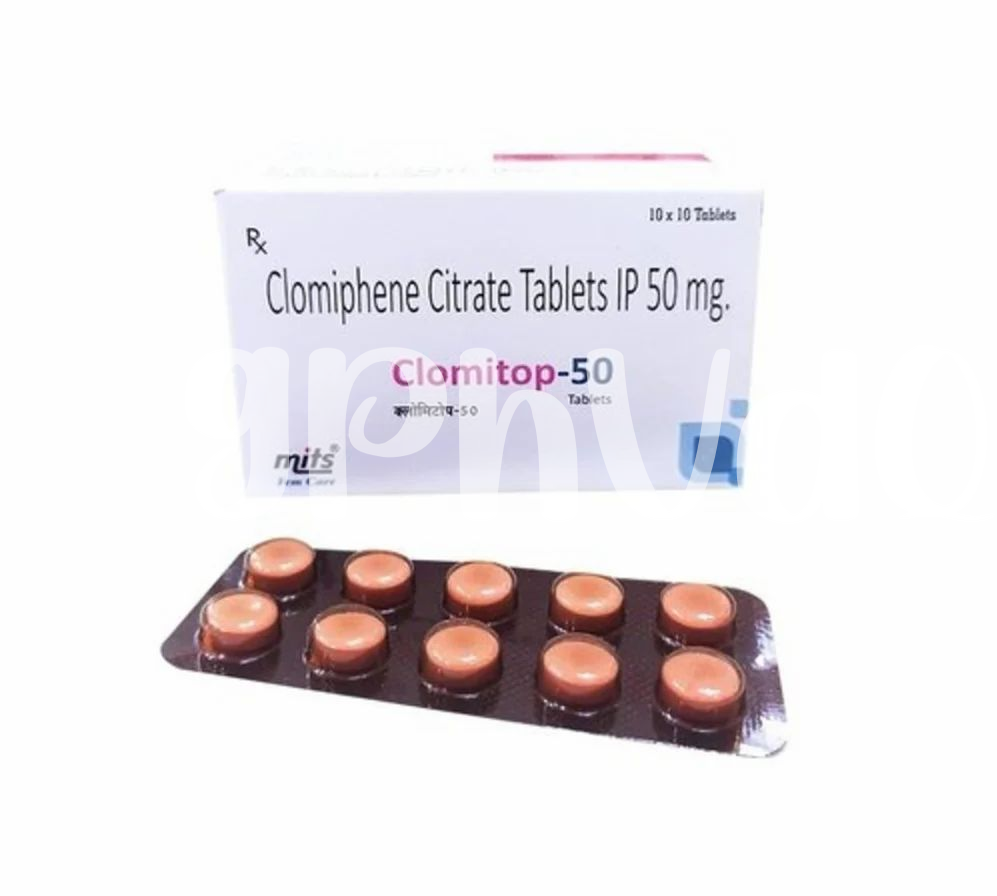
Each treatment cycle with clomiphene often begins with a few pills taken early in the month, followed by a waiting period as your body responds. Teh goal is to encourage the ovaries to release an egg, so timing matters. Many women track ovulation with tests, temperature charts, or clinic visits to better understand their fertile window.
If ovulation does not happen right away, the dose may be adjusted in later cycles. Your doctor may monitor progress with blood work or ultrasound, helping you see how your body is responding. Some women feel hopeful after the first round, while others need a few cycles before results become clear and dependable.
Side Effects, Risks, and Warning Signs
Clomiphene can feel like a hopeful start, yet it may also bring mild headaches, hot flashes, and mood shifts. Some women notice bloating or blurred vision, and those changes should never be ignored.
During treatment, the body is watched closely because ovaries can overrespond. This can cause discomfort, enlarged ovaries, or rarely a more serious reaction. Teh goal is to support ovulation safely.
Call your doctor if pain becomes strong, vision changes appear, or swelling feels unusual. Fever, rapid weight gain, or trouble breathing are not normal and need immediate care.
| Common | Less common |
Lifestyle Changes That Improve Treatment Success
Small daily habits can make a real difference when treatment begins. A balanced plate with lean protein, fiber-rich vegetables, and steady carbohydrates may help support hormone balance and blood sugar control. Gentle activity, like walking or yoga, can also improve insulin sensitivity and reduce stress, creating a better enviroment for ovulation to occur.
Sleep and stress management matter too. Regular rest, hydration, and a consistent routine can help the body respond more predictably to medication. Some women also find it useful to track cycles, symptoms, and ovulation signs, so they can notice patterns and discuss them with their doctor.
These changes will not replace medical care, but they can strengthen it. When healthy habits and treatment work together, the chances of success often improve over time. NHS Clomifene NCBI Clomiphene Review
