

How Lopressor Supports Healthy Blood Pressure
Lopressor helps steady blood pressure by slowing the heart and easing how hard it works. With each beat, the pressure on artery walls can lessen, giving the circulatory system a calmer rhythm and helping numbers stay in a safer range.
For many people, this can mean fewer spikes after stress or activity, and a more controlled daily pattern. By reducing the heart’s workload, Lopressor supports a healthier flow of blood, wich can protect the body over time.
Lopressor’s Role in Reducing Heart Strain
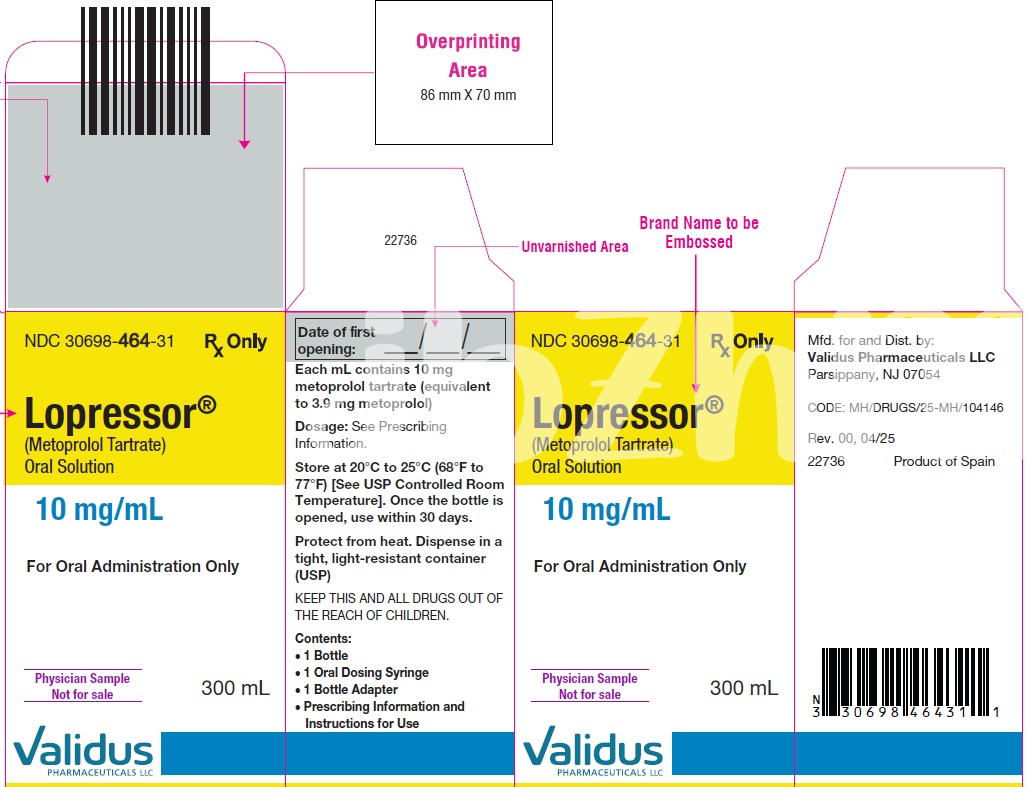
Lopressor helps the heart work more efficiently by slowing the heartbeat and easing the force of each beat. As a result, the muscle does not have to push as hard, and this can lower overall strain during daily activity. For people with certain heart conditions, that steadier rhythm can bring a real sense of relief.
Over time, this reduced workload may help protect the heart from tiring too quickly. Many patients notice they feel calmer and less winded, especially when walking or climbing stairs. With lopressor, the goal is not just control, but giving the heart a better chance to function with less stress.
Managing Chest Pain with Lopressor Therapy
When chest pain appears, doctors may use lopressor to help calm the heart’s workload and steady its rhythm. By lowering how hard the heart must pump, it can reduce the pressure that often fuels discomfort during everyday activity or emotional stress.
For many patients, this therapy becomes part of a broader plan to prevent angina flare-ups and improve overall control. The medicine does not replace healthy choices, but it can offer reliable support when symptoms feel unpredictable and worrisome.
Results are usually best when treatment is monitored closely and paired with rest, movement, and follow-up care. With proper guidance, lopressor may help people feel more confident as they move through daily life with less fear of sudden pain.
When Doctors Prescribe Lopressor for Heart Care

Doctors may prescribe lopressor when a patient needs help easing the workload on the heart. It is often chosen for people with high blood pressure or certain rhythm problems, because lowering heart rate can reduce stress on the cardiovascular system. In many cases, this support helps protect the heart from further strain and can improve day-to-day comfort.
A doctor may also suggest it after a heart attack, when the heart is more vulnerable and needs steadier control. Some patients use it to manage angina, since fewer surges in pressure can mean fewer painful episodes. The treatment plan is always tailored carefully, since every patient’s condition is diffrent.
Before prescribing lopressor, clinicians review other medicines, breathing issues, and overall health to make sure it is a good fit. They then set a dose and monitor response over time. This careful approach helps make heart care safer and more effective.
Possible Side Effects and Safety Considerations
Like many heart medicines, lopressor can bring relief while asking for attention. Some people notice tiredness, dizziness, slow pulse, or cold hands and feet, especially when treatment begins. Teh key is to report anything that feels unusual, rather than ignoring it.
Doctors also watch for breathing problems, low blood pressure, or changes in mood, sleep, or blood sugar. If you have asthma, diabetes, or a history of heart rhythm issues, safety checks become even more important.
| Safety tip | Why it matters |
|---|---|
| Take it as directed | Keeps heart rate steady |
| Avoid sudden stopping | Prevents rebound symptoms |
Daily Habits That Boost Lopressor Benefits
Taking Lopressor with the same routine each day helps your heart respond more steadily. Pair it with a balanced breakfast, a glass of water, and a calm moment to check your pulse or blood pressure. Small choices like limiting salt and keeping stress low can make treatment more effective and support safer control throughout the day. Drugs.com NCBI
Regular excercise, gentle walks, and avoiding tobacco can also strengthen the benefits of therapy. Resting well at night matters, too, because poor sleep can raise strain on the heart. If side effects feel unusual, speak with a clinician rather than adjusting the dose alone, since steady use and good communication often improve results over time. MedlinePlus NCBI
A simple daily plan can turn medication into part of a larger heart-care routine. Track symptoms, keep follow-up visits, and stay consistent with meals and activity. When these habits work together, Lopressor has a better chance to do its job and help protect long-term cardiovascular health.
