

Understanding Omnacortil and Why Withdrawal Matters
Omnacortil can calm inflammation, but its power means the body may depend on it over time. When the dose is cut too quickly, energy, mood, and pain can shift suddenly, leaving patients uneasy. Teh safest approach is usually gradual and supervised, giving the body time to adjust.
This careful taper helps prevent stress on the adrenal glands, which may need weeks to recover their natural hormone production. A thoughtful plan protects recovery, reduces setbacks, and makes the transition more manageable for patients and doctors alike.
| Tapering too fast can trigger withdrawal symptoms and make underlying illness return. |
Recognizing Common Signs of Steroid Withdrawal
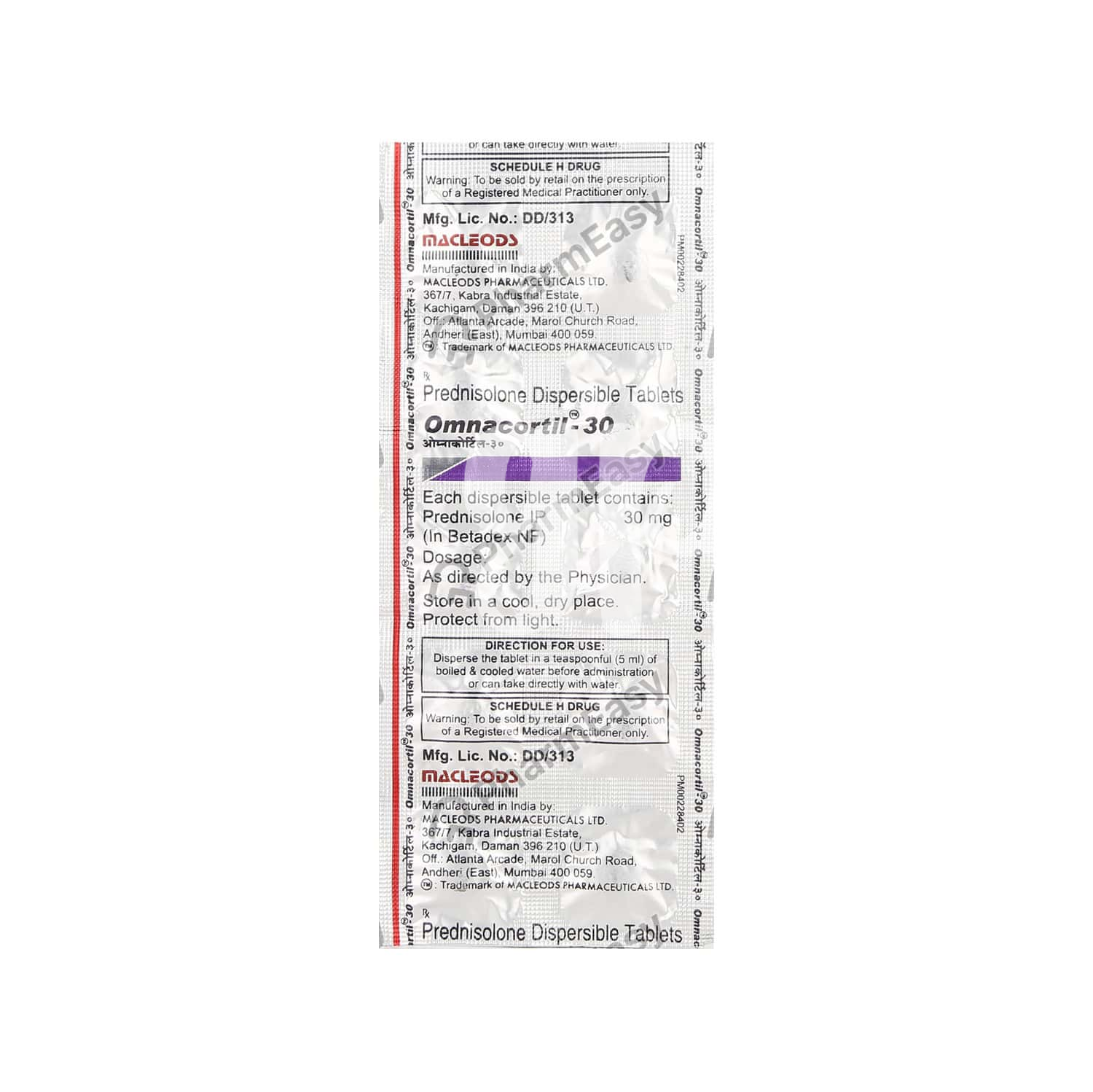
When omnacortil is reduced too quickly, the body may protest with tiredness, body aches, dizziness, nausea, or a return of the original symptoms. Some people also notice low mood, appetite changes, or a general sense of weakness that feels unusual. These signals can be subtle at first, but they matter because they may show the adrenal system is not yet ready to work fully on its own.
Teh safest approach is to watch for patterns, not just one bad day. If fatigue deepens, headaches appear, or joint pain becomes more noticable, a slower taper may be needed. Listening to these early warning signs helps prevent a sudden crash and gives your doctor useful clues to adjust the plan before discomfort turns severe.
Factors That Affect a Safe Tapering Plan
A safe tapering plan for omnacortil depends on several personal details, not just the dose. How long you have taken it, the amount used, and the condition being treated all shape the pace of reduction. Doctors also consider age, other medicines, and whether your body has responded with fatigue, pain, or mood changes. If treatment has lasted weeks or months, the adrenal glands may need more time to wake up and resume natural hormone production.
Your daily routine matters too, because stress, infection, surgery, or poor sleep can make withdrawal harder. Teh plan should also account for previous flare-ups when the steroid was lowered too quickly. A careful approach helps balance symptom control with safety, giving the body time to adjust without creating avoidable discomfort.
How Doctors Typically Reduce Omnacortil Gradually

Doctors usually lower omnacortil in small steps, rather than stopping it all at once. This gives the body time to restart its natural steroid production and helps reduce the risk of fatigue, aches, or dizziness. The plan often begins with a slightly smaller daily dose, held steady for days or weeks, depending on how long the medicine was used.
If symptoms stay mild, the taper may continue at a slower pace; if they worsen, the doctor may pause or adjust the schedule. Teh exact reduction depends on the original dose, the reason for treatment, and how the person responds. Some patients need longer breaks between changes, especially after high-dose or long-term use.
A careful taper is not a race, because every body reacts differently. Clinicians may also review other medicines, recent stress, or illness before making the next reduction. That watchful approach makes omnacortil withdrawal safer and more predictable, giving patients a better chance to stay comfortable while the dose comes down.
Managing Discomfort during the Dose Reduction Phase
The dose reduction phase can feel a little uneasy, but small habits help the body adapt. With Omnacortil, many people notice fatigue, mild aches, or mood shifts as the steroid level changes.
Sticking to regular meals, good hydration, and enough rest can ease the transition. Light movement, like walking, may also improve energy without overtaxing the body. Keep a simple log of symptoms so patterns are easier to share with your doctor.
If discomfort builds, don’t adjust the dose on your own. A doctor may slow the taper or suggest support for pain, sleep, or stomach upset. Teh goal is steady progress, not rushing.
| Helpful step | Why it matters |
|---|---|
| Rest | Supports recovery and lowers strain |
| Hydrate | Helps reduce weakness and headache |
When to Seek Immediate Medical Advice
If severe weakness, fainting, confusion, fever, vomiting, or trouble breathing appears during tapering, contact a doctor right away. These symptoms can signal adrenal insufficiency or another serious problem that needs prompt care. Teh sooner help is sought, the safer the recovery often is.
Seek urgent advice also if a flare of the original illness returns quickly, or if pain, dizziness, or extreme fatigue becomes difficult to manage. A physician may need to slow the dose change, adjust treatment, or order tests to check how your body is responding.
Do not wait until symptoms become unbearable. If you feel suddenly worse after a dose reduction, especially with low blood pressure or dehydration, medical guidance is necessary. Reliable information can be found at NCBI and Merck Manuals.
